Why SPP is crucial to your corporate ambition
Obviously, it is essential to know today what you need for the empty spot you want to fill tomorrow. But those who only put out adhoc fires and look at vacancies, growth and development of the organization out of necessity will never really move forward. After all, you’re not just looking for capable people to do the work now. The difference is made by looking ahead to the dot on the horizon that you as an organization are striving for.
Strategic Personnel Planning (SPP) can be a supporting pillar on which you build a motivating corporate culture and which will allow your organization and employees to excel in the future.

What is SPP?
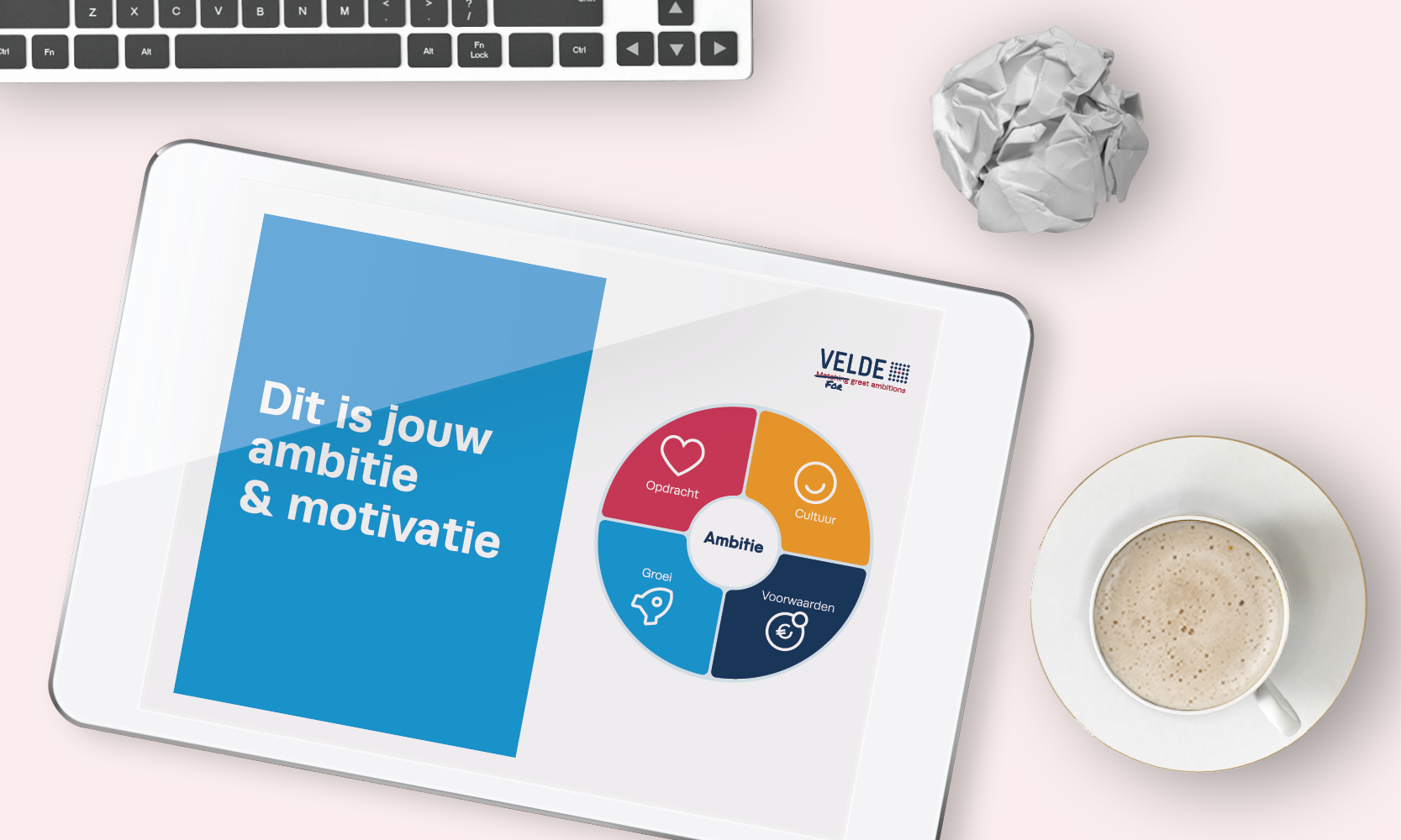
When an organization is strategizing for the future, its personnel are also part of it. What skills, what expertise, and also what characters and personal ambitions are needed where and when to achieve the organization’s higher purpose?
Strategic Personnel Planning (SPP) as a term is rather quickly thrown into a conversation. Numerous definitions and associated models of it can be found online. The essence: position the right people in the right place at the right time so they can contribute maximally to achieving the company’s ambition.
The Basics: where is the organization going?
From the definition, but certainly from practice, it is easy to see what the basis for successful SPP is. Namely, formulating the organization’s strategic goals.
It is simple enough, after all, only when you know where you want to go with the organization do you know what human input is needed for that. And simultaneously, which mindset, which soft skills, talents and skills. Objectives for the organization logically reach further than turnover and profitability numbers. The more concrete the ambition can be visualized, the more powerful the implementation of the SPP.


Take steps toward the horizon
A dream is a goal without a plan, as a well-known tile saying goes. And in the context of SPP, concretizing ambition is also crucial. After all, no goal is achieved along a path without twists and turns, peaks and valleys. But when you know what your next intermediate destination will be, it is much easier to take a step in the right direction.
So after you’ve determined the dot on the horizon, the key is to break down the ambition. Starting with time, but certainly also in the contributions you expect people to make.
– Roy van Eijk
In search of bumps and potholes
We have already written an in-depth article about that contribution, or the ROI of employees, which can certainly be of value when implementing SPP. Those who want to give SPP a structural place in the organization periodically consider:
- What contribution do I expect from employees in the different stages I have defined toward the future?
- Which people from the current team can actually accomplish this contribution?
- And which existing employees are actually motivated to do so because their own ambition aligns with the organization’s goal?
- Which existing employees have the motivation but not yet the capabilities to grow with the organization?
- Which employees are most likely to leave the organization?
- What additional people and capabilities do I need in view of the dot on the horizon?
- And what additional or new skills do I need in view of the transition the organization will go through on the way to our ambition?
The answers to all these questions lead, for each step to be taken, to an overview of so-called humps and potholes. In other words, places where there is too much capacity and places where there is a shortage. And this insight is the foundation for building a strategic personnel policy.


The positive impact
Obviously, the main benefit of careful SPP is that the right people are in the right place at the right time. But the positive impact is even much greater than that. Some side effects that positively impact business development:
- Because company goals and personal ambitions are mapped out, the likelihood of employees leaving unexpectedly is much lower.
- If an employee does suddenly leave, a clear scenario is already in place, making adhoc switching less necessary.
- Employees know the company’s plans and therefore know more about their career options. Based on this, they can determine if this is a good fit for them or if they would like to eventually look outside the organization.
- As an organization, you are constantly aware of employees’ potential and aspirations.
- Greater job happiness results in higher productivity, less absenteeism and a decrease in unwanted turnover.
- Not just the people, but your entire organization becomes more agile on the way to realizing the company’s ambition.
SPP remains a puzzle
There are, of course, arguments for not getting started with SPP and believing that things go the way they do. Or to be convinced that there are so many factors involved that a strategy is already obsolete by the time it is conceived. Indeed, it is true that small changes internally, externally or in the ambition of the organization can throw everything off course. But better to have a plan in place at that point than to try to fill in the gaps without a strategy.
And the longer SPP is embedded in the organization, the more firmly it takes hold. Already in the short term, fire-fighting is no longer necessary, because there are always enough options to deal with unexpected changes or the consequences of new formations. And eventually, the organization’s ambition will lie like a blueprint over SPP. Then finding, binding and captivating the right people will no longer be a brainteaser, but a puzzle that is easy to put together.


Prefer personal contact?
Fields marked with an * are required